
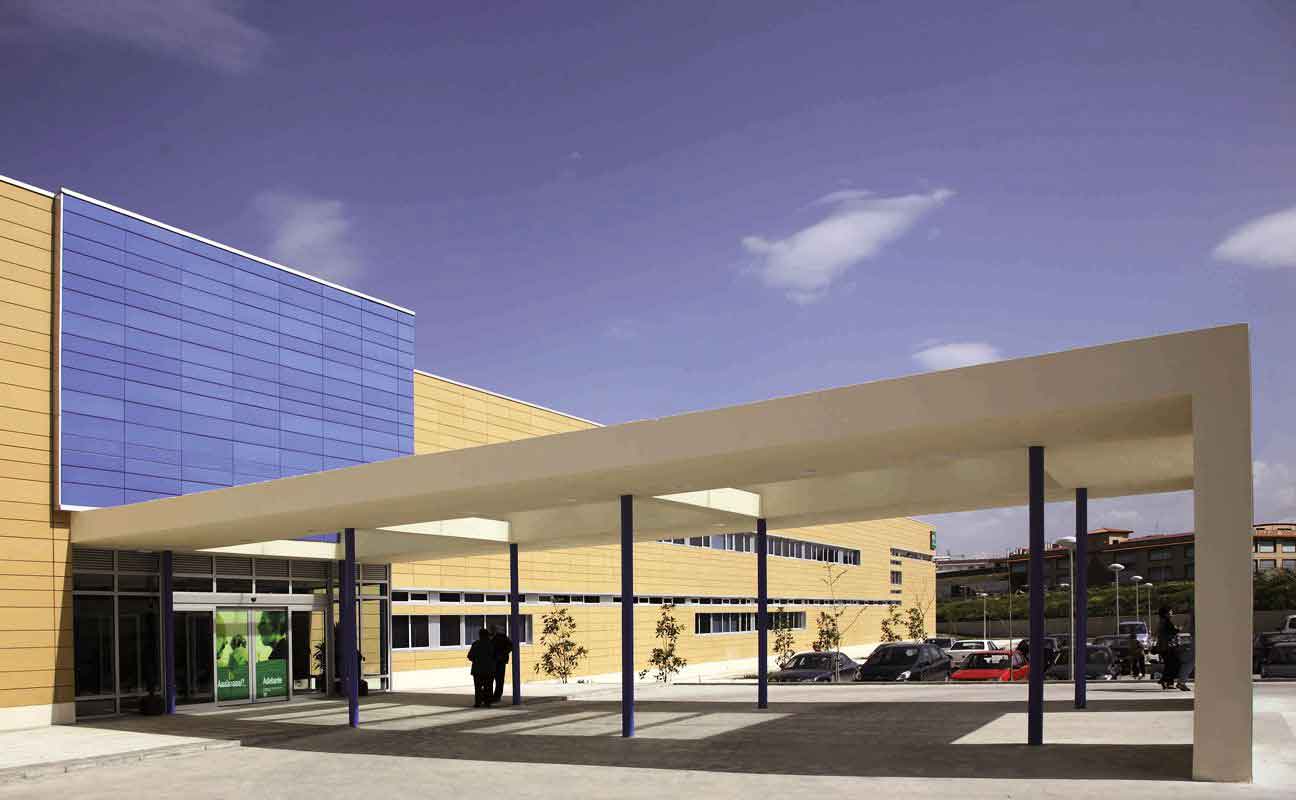
Diseño Arquitectónico y Accesibilidad en la Arquitectura Sanitaria
El diseño arquitectónico y la accesibilidad en la arquitectura hospitalaria está cambiando, ya que se está produciendo un cambio fundamental en la estructura médico-asistencial contemporánea. No se trata solo del avance de los tratamientos gracias al desarrollo de la tecnología si no que engloba al diseño arquitectónico integral y a la accesibilidad. En una sociedad donde la diversidad y la equidad son pilares esenciales, los hospitales y centros de salud desempeñan un papel de liderazgo para garantizar el acceso a una atención de calidad y universal, para todos los pacientes, independientemente de su capacidad.
Diseño Inclusivo: más que rampas y pasamanos
Desde la visión de Árgola Arquitectos, el diseño arquitectónico hospitalario inclusivo significa más que cumplir con las normas de accesibilidad sobre rampas y barandillas. Con una perspectiva más amplia y profunda, tratamos de crear entornos en los que todas las personas, independientemente de sus capacidades físicas, sensoriales o cognitivas, puedan moverse y participar con comodidad y dignidad de un derecho básico como es la sanidad.
La accesibilidad es la piedra angular del diseño arquitectónico integral. Un hospital debe ser un espacio donde cualquier persona pueda entrar y moverse fácilmente sin barreras. Desde el diseño de los pasillos y las puertas hasta la ubicación de los ascensores y las escaleras, se debe tener en cuenta cada detalle para garantizar la accesibilidad.
¿Qué es el diseño universal?
El diseño universal es una forma de pensar que tiene como objetivo crear un entorno que pueda ser utilizado por todos, independientemente de su capacidad. Eso significa pensar en las necesidades de una amplia gama de personas desde el principio, en lugar de personalizar el diseño a posteriori. El diseño universal no solo beneficia a las personas con diversidad funcional, sino que mejora la experiencia de todos los usuarios.
Los hospitales son lugares donde los individuos buscan atención. Por ello es importante que los espacios estén diseñados para promover la comodidad y la dignidad de todos. Esto influye en el diseño de las áreas de espera para que satisfagan una gran variedad de necesidades, en el de las habitaciones de hospital para que sean accesibles y privadas, en el de los baños para que resulten funcionales para cualquier usuario y, en definitiva, en el del global del edificio para que con una distribución intuitiva facilite la orientación del usuario y genere flujos cómodos e intuitivos.
La tecnología juega un papel clave en la construcción de un entorno inclusivo. Desde sistemas de navegación que guían al paciente hasta aplicaciones que brindan información en formatos accesibles, la tecnología está derribando barreras que alguna vez existieron. Los hospitales la utilizan para ayudar a las personas en situación de dificultad cognitiva a comunicarse con el personal médico y acceder a la información que necesitan.

Educación y Sensibilización
Un diseño arquitectónico inclusivo requiere más que solo cambios físicos en los edificios. También implica educar a la sociedad sobre la importancia de la inserción y la accesibilidad. La sensibilización sobre las necesidades de las personas con diversidad es esencial para garantizar que todos sean tratados con respeto y consideración.
Esta sensibilización no es sólo una tendencia pasajera. Se trata de una inversión a largo plazo en atención sanitaria equitativa y de calidad. A medida que la sociedad evoluciona y las necesidades de las personas cambian, los hospitales y centros médicos deben estar preparados para adaptarse y crecer.
La creación de un entorno de atención médica verdaderamente inclusivo y accesible es un compromiso colectivo que requiere de la colaboración de arquitectos, diseñadores, profesionales de la salud y la comunidad en su conjunto. Al trabajar juntos y en un entorno multidisciplinar, podemos construir espacios que reflejen la variedad de las personas a las que servimos y brindar una atención médica que sea una experiencia verdaderamente igualitaria.
El diseño arquitectónico inclusivo y la accesibilidad no se trata solo de superar obstáculos físicos. Se trata de crear un entorno que promueva la igualdad, la dignidad y el respeto. Los hospitales y centros de salud están liderando el camino al construir un futuro donde todas las personas, independientemente de sus capacidades, puedan acceder a la atención médica que merecen. Al abrazar la diversidad y la inclusión en el diseño. En Árgola Arquitectos trabajamos para allanar el camino hacia una atención médica más equitativa y sostenible.
En Árgola Arquitectos, trabajamos para que nuestros proyectos de arquitectura sanitaria, tengan un diseño inclusivo y accesible.