
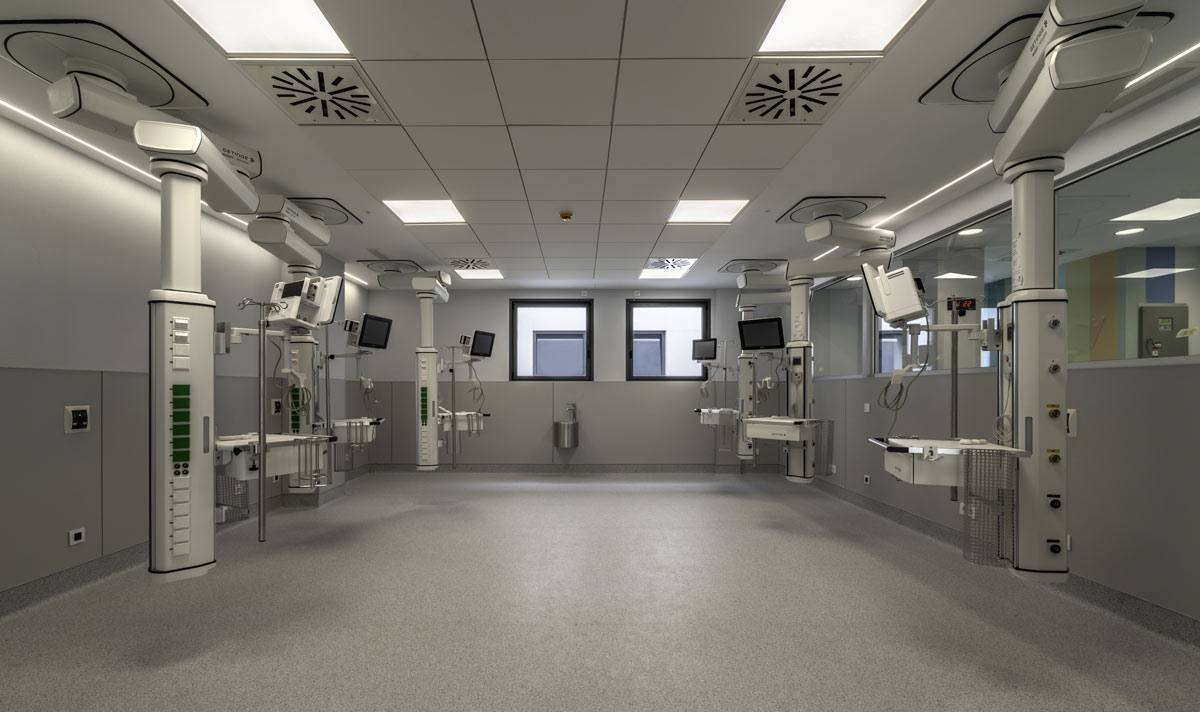
Diseño arquitectónico en torno al paciente
En árgola arquitectos entendemos la importancia de diseñar espacios de atención médica que pongan al paciente en el centro. El diseño arquitectónico en torno al paciente se trata de una perspectiva muy concreta del diseño e implica mucho más que la simple disposición de habitaciones y pasillos. El objetivo final es el de crear entornos que ayuden a la curación, al bienestar y la comodidad del paciente. No solo eso, paralelamente han de facilitar la eficiencia y la funcionalidad para el personal médico.
¿Qué implica diseñar en torno al paciente?
El punto diferenciador de este tipo de diseño es el de la comprensión de las necesidades específicas de los pacientes y cómo satisfacerlas durante su estancia en un entorno sanitario. En consecuencia, muchos factores intervienen para conseguirlo. Por ejemplo la privacidad, la comodidad, la accesibilidad y la seguridad. A continuación compartimos algunos de ellos:- Espacios acogedores y confortables que reduzcan el estrés y fomenten la relajación.
- Privacidad y confidencialidad en habitaciones y áreas respetuosas con la privacidad del paciente y permitan una comunicación confidencial.
- Accesibilidad y movilidad facilitando la movilidad y adaptando los espacios para personas con necesidades especiales.
- Iluminación adecuada para mejorar la calidad del entorno y reduciendo la fatiga visual.
- Ventilación y calidad del aire que garantice la calidad del aire interior y minimice la propagación de infecciones.
¿Qué diferencias hay respecto al diseño convencional?
Hay distintos elementos que caracterizan este tipo de diseño respecto al convencional:- Enfoque centrado en el paciente: es el objetivo principal más allá de la eficiencia operativa y estética final.
- Personalización y flexibilidad para adaptarse a las necesidades individuales de los pacientes.
- Control de la seguridad con prevención de caídas, riesgos de infección y la conexión con los equipos médicos.
- Inclusión familiar para que pueda aportar su apoyo emocional a los pacientes durante su estancia.