
Diferencias en la arquitectura hospitalaria pediátrica y de adultos
En el mundo de la arquitectura hospitalaria cada espacio y cada rincón importa, ya que existe un aspecto que trasciende las dimensiones físicas de esta tipología de edificios: las necesidades humanas. Por eso entendemos fundamental colocar el bienestar de los usuarios en el centro del diseño.
Es indudable que el entorno físico ejerce un efecto sobre el bienestar de las personas. De ahí que creamos en una arquitectura que mejore la calidad de vida de los usuarios, capaz de influir directamente en su proceso de curación. Por ello, en Árgola Arquitectos estudiamos minuciosamente cómo afecta el entorno inmediato al usuario y cómo mejorar la sensación de seguridad y confort para ayudar a asimilar mejor los tratamientos.
Cada hospital, independientemente de su tamaño o especialización, debe ser un lugar que atienda no solo a los pacientes, sino también a sus emociones y experiencias. En este artículo, exploramos las notables diferencias en el diseño de hospitales pediátricos y de adultos, desde la perspectiva humana, sin números ni listas, si no con la mirada enfocada en cómo la arquitectura puede impactar en nuestras vidas en situaciones complejas.
Para un niño, una estancia en el hospital puede ser una experiencia traumática, el aislamiento puede desembocar en retraimiento y provocar dificultades en la escuela. La presencia de los padres junto al niño es fundamental y contribuye a su recuperación. El área pediátrica de un hospital tiene que tener en cuenta estas circunstancias, contemplando amplios espacios para las familias, respetando su privacidad y contribuyendo a la unidad familiar. De esta forma se facilita el desarrollo de sus actividades cotidianas y se asegura el bienestar y la alegría de los jóvenes pacientes.

Cuando hablamos de hospitales pediátricos, estamos hablando de espacios que deben ser, ante todo, amigables para los niños. El diseño en ellos va más allá de la estética pues de lo que se trata es de crear un ambiente que invite a la exploración, que diluya el miedo y fomente la esperanza. Para ello, los espacios llenos de colores vivos y con alusiones a mundos mágicos y cercanos, no son solo meros decorados, sino que se convierten en un abrazo cálido y reconfortante para los jóvenes pacientes.
Las áreas de pediatría además, se enfrentan al desafío de garantizar la seguridad de los niños, que pueden ser más curiosos y propensos a la exploración. Por ello en estas zonas, los sistemas de seguridad deben ser cuidadosamente diseñados para proteger a los pequeños pacientes sin hacer que se sientan prisioneros. Las cerraduras y accesos deben ser seguros pero discretos, cuidando siempre la dignidad y la comodidad de los niños y sus familias.
En esta tipología ha de darse especial importancia a la creación de espacios de apoyo para las familias. Esto significa áreas de descanso cómodas, zonas de juego para los hermanos que acompañan al paciente y la posibilidad de que un padre o cuidador pueda quedarse cerca del niño. El objetivo es crear un refugio donde la familia pueda encontrar un poco de calma en medio de la tormenta médica que están enfrentando.

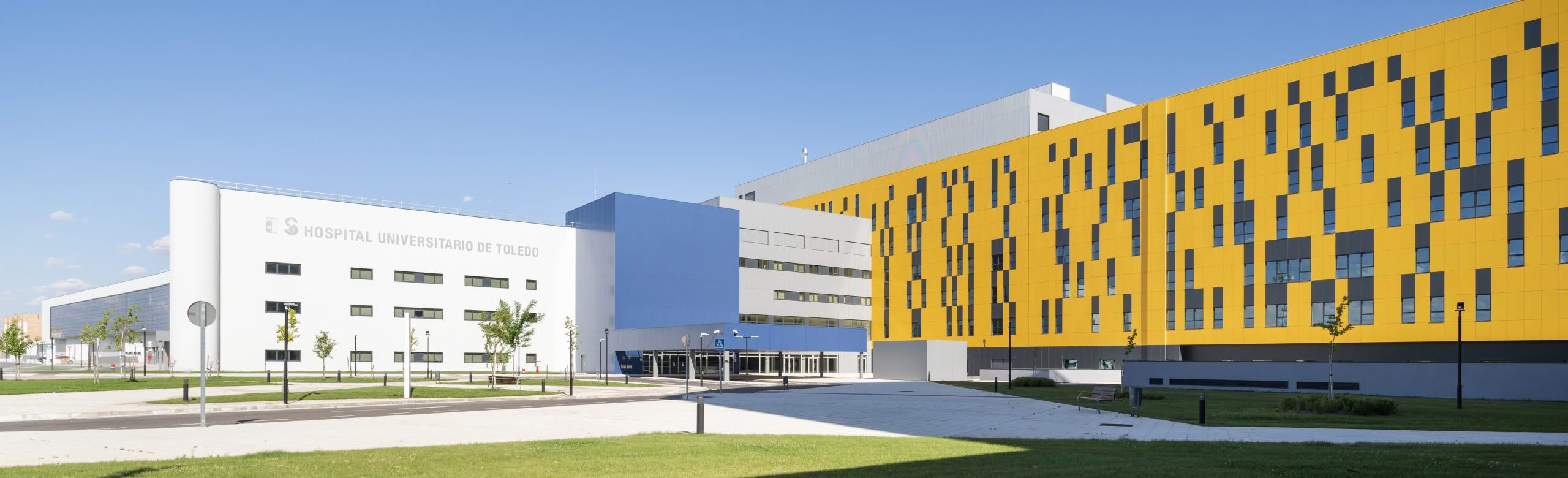
En Árgola Arquitectos hemos tenido la oportunidad de convertir todas estas reflexiones en experiencias reales en proyectos como el Hospital Universitario de Toledo, que cuenta con un amplio programa pediátrico con: unidad de Urgencias Pediátricas, unidad de Hospitalización Pediátrica, UCI Pediátrica y Hospital de Día Pediátrico.
En estas áreas de dicho Hospital, se atienden, con una sensibilidad especial, las necesidades emocionales únicas de los niños. Reflejándose todo ello con la incorporación de terapias de juego, arte o música dentro del diseño de los espacios. Cada rincón es una herramienta que ayuda a los pequeños pacientes a lidiar con el estrés y la ansiedad que a menudo acompañan a una visita al hospital. Los colores y la luz son suaves y relajantes, y los espacios permiten el juego y la expresión creativa de los jóvenes pacientes.
La Versatilidad como clave
En el diseño de hospitales pediátricos, la versatilidad es una virtud. Estos espacios deben poder adaptarse a diferentes edades y necesidades, desde bebés hasta adolescentes. La modularidad y la flexibilidad son esenciales para garantizar que el entorno sea siempre adecuado para quienes lo utilizan.
En Árgola Arquitectos, comprendemos que el diseño hospitalario va más allá de lo meramente constructivo. Se trata de crear espacios que ayuden a la recuperación y tratamiento de los pacientes, pero que a su vez contribuyan a crear ambientes confortables para ellos y los profesionales sanitarios que les cuidan. No solo nos centramos en el paciente sino en quienes le rodean: familia, amigos, profesionales de la salud. Creando atmósferas adecuadas a todos los usuarios, que un espacio médico se convierta en un lugar acogedor, seguro y cómodo para niños, adultos, acompañantes y profesionales.
Ya sea diseñando hospitales para niños o adultos, nuestra misión es asegurarnos de que cada proyecto refleje la humanidad en su diseño y que sea un lugar donde las personas puedan encontrar comodidad y esperanza en momentos difíciles.