
Como la Arquitectura Hospitalaria Afecta la Salud Física y Mental de los Pacientes
La relación entre diseño arquitectónico y salud en el entorno hospitalario es un aspecto que rara vez se considera con la atención que merece. Como expertos en el diseño de arquitectura sanitaria, es importante comprender cómo nuestras decisiones de diseño tienen un impacto en la salud física y mental de los pacientes. La experiencia del paciente es un componente crítico en el diseño hospitalario. Cada aspecto del entorno se convierte en una parte de dicha experiencia, partiendo desde la composición general del edificio, pasando por los materiales y texturas hasta el mobiliario. Diseñamos con empatía y atención a los detalles para garantizar que la experiencia del paciente sea lo más positiva posible.
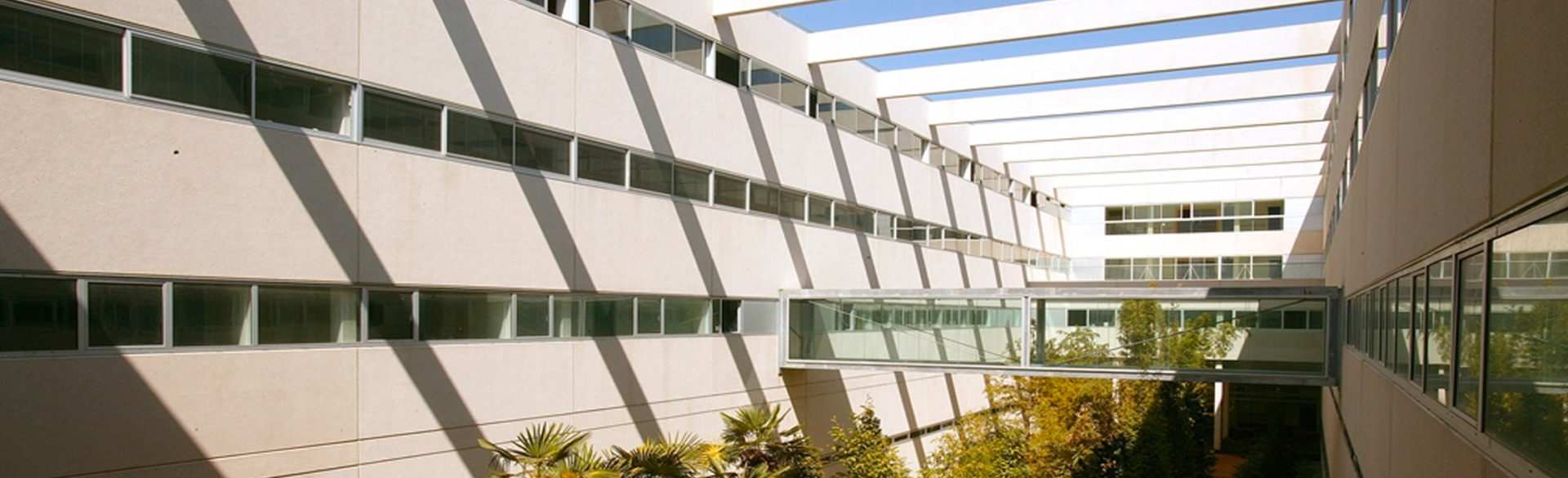
Uno de los elementos cruciales en cualquier diseño es la incorporación de la luz natural, más si cabe en un edificio hospitalario. La luz natural cumple un papel más relevante que el de simplemente iluminar un espacio; tiene la facultad de elevar el estado de ánimo y regular el ritmo circadiano. Esta regulación del reloj biológico es fundamental en el proceso de recuperación de los pacientes. Nuestro enfoque se centra en maximizar la luz natural, con ventanas amplias y espacios abiertos que no solo mejoran la experiencia del paciente, sino que también contribuyen a una recuperación más rápida.
Con abundante luz natural y vistas al exterior crean un ambiente más agradable y menos clínico. Los pacientes se sienten menos aislados y más en sintonía con el mundo fuera del centro sanitario, lo que eleva su estado de ánimo y motivación contribuyendo activamente en su proceso de recuperación. Esta conexión con la arquitectura hospitalaria mejora la calidad general de la experiencia del paciente durante su estancia en el hospital.
Además de la luz natural, la conexión con la naturaleza es un componente esencial de la arquitectura hospitalaria. Cuando diseñamos instalaciones médicas, nos esforzamos por crear entornos que fomenten la relación con la naturaleza y el entorno. Incorporamos espacios verdes, jardines terapéuticos y áreas al aire libre que permitan a los pacientes experimentar la naturaleza incluso mientras están en el hospital. Esta conexión con elementos naturales ha demostrado reducir el estrés, aliviar la ansiedad y mejorar la claridad mental, algo esencial para una recuperación efectiva.
La comodidad de los pacientes también está vinculada a la privacidad. Nuestra arquitectura se centra en la creación de habitaciones y espacios que minimizan el ruido proporcionando un entorno tranquilo. Este enfoque no solo promueve el descanso, sino que también establece un ambiente en el que los pacientes se sienten seguros y protegidos, un aspecto crucial para su bienestar mental.
Los pacientes y sus familias deben tener la capacidad de moverse sin dificultad. Por eso la accesibilidad es un principio fundamental en el diseño hospitalario. La comodidad y la facilidad de movimiento no solo reducen la ansiedad, sino que también pueden acelerar la recuperación. Nuestros diseños priorizan la accesibilidad universal, asegurando que todos los pacientes puedan acceder a las instalaciones de manera segura y cómoda.
Además, la accesibilidad en la arquitectura hospitalaria mejora la calidad de vida del paciente durante su estancia. Al facilitar el acceso a áreas comunes, zonas de descanso y espacios al aire libre, se crea un entorno que promueve el bienestar emocional. Los pacientes pueden sentirse más independientes y menos confinados a sus habitaciones, lo que contribuye a fortalecer su salud mental y emocional. Trabajar en un diseño accesible es aún más delicado en los centros hospitalarios actuales, en los que el complejo puede estar formado por distintas áreas o edificios.
En síntesis, la arquitectura hospitalaria tiene un impacto profundo en el bienestar y la salud física y mental de los pacientes. Cada decisión de diseño que tomamos juega un papel significativo en la experiencia de aquellos que buscan sanar y recuperarse. En árgola arquitectos, estamos comprometidos con la búsqueda constante de soluciones que mejoren la vida de las personas a través de nuestro trabajo en el ámbito de la arquitectura hospitalaria.
Gran ejemplo de ellos son alguno de nuestros proyectos como el Gregorio Marañón o el Hospital Universitario 12 de Octubre.