
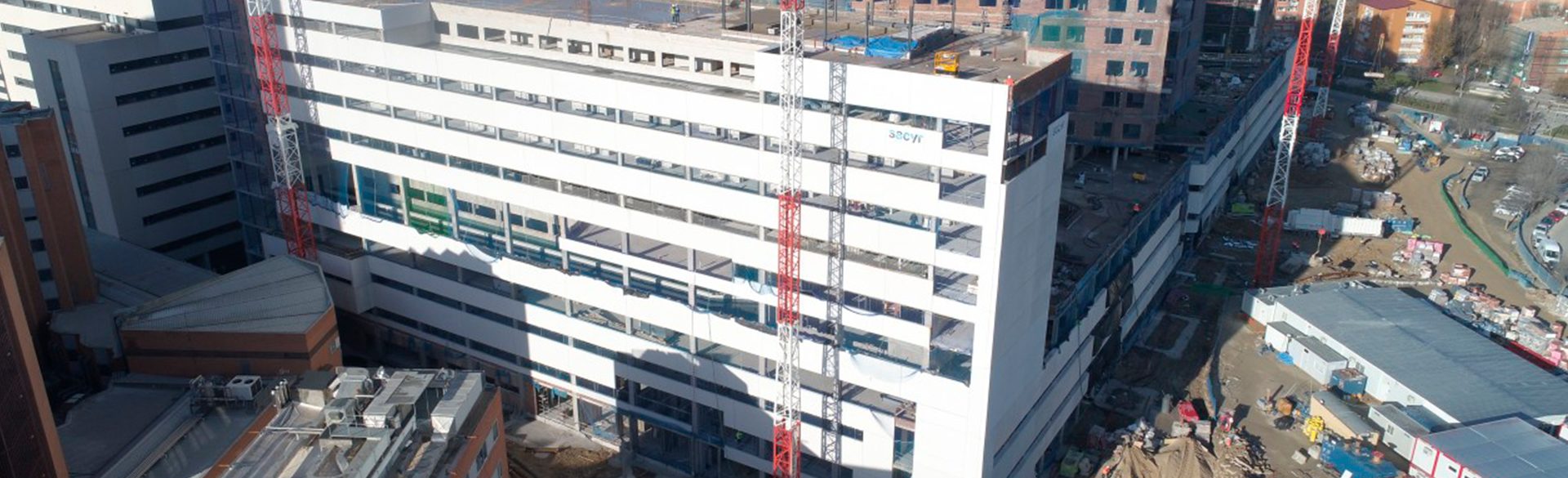
Construcción Industrializada y Eficiencia Energética
La construcción industrializada, también conocida como construcción fuera del sitio, prefabricada o modular, está revolucionando la forma en que se construyen los edificios. Esta técnica innovadora y altamente organizada ofrece numerosas ventajas en términos de eficiencia, calidad y sostenibilidad. Con la mayor parte del trabajo de construcción llevándose a cabo en una fábrica, la construcción industrializada permite un mejor control y procesos de producción estandarizados. Si quieres saber más sobre la construcción industrializada puedes visitar este otro post donde lo explicamos en profundidad
La adopción de la construcción industrializada conlleva una multitud de beneficios que impulsan su creciente popularidad entre los expertos de la industria. Una de sus principales ventajas es el potencial de ahorro de costes sustanciales. Al llevar a cabo la mayoría del trabajo de construcción en un entorno de fabricación industrial se consigue un mayor control y los procedimientos estandarizados resultan en una mayor eficiencia en términos de tiempo, mano de obra y recursos.
Además, este método de construcción tiene una capacidad impresionante para mejorar la calidad del proceso de construcción. Utilizando técnicas innovadoras y organizadas, los componentes de una estructura pueden desarrollarse de forma independiente en un entorno de fábrica. Este entorno regulado garantiza que cada parte se produzca con precisión y consistencia, reduciendo el riesgo de errores humanos o inconsistencias en la calidad. La implementación de rigurosos procedimientos de control de calidad asegura que el producto final cumpla con los más altos estándares de durabilidad y practicidad. Esto no solo aumenta la integridad estructural del edificio, sino que también refuerza su sostenibilidad a largo plazo.
Desde el punto de vista de la sostenibilidad, la construcción industrializada ofrece diversos beneficios ecológicos. La optimización del proceso de fabricación y la reducción de residuos contribuyen a un enfoque más sostenible de la construcción. Con la aplicación de tecnología avanzada y mecánica controlada, la construcción industrializada reduce el uso de materiales en bruto, energía y agua. Esta opción respetuosa con el medio ambiente está en línea con la tendencia mundial hacia la sostenibilidad y ayuda a minimizar la huella de carbono de los edificios con respecto a los métodos tradicionales de construcción.
Ahorros de Costes
Las ventajas económicas de la industrialización en la construcción son innegables. Al utilizar procesos de producción simplificados y estandarizados, este enfoque modernizado de construcción disminuye significativamente los costes en comparación con los métodos tradicionales. A través de la fabricación de elementos repetitivos en una fábrica, las economías de escala y las técnicas avanzadas reducen los gastos para todos los involucrados. La automatización de estos componentes elimina la necesidad de fabricación en el lugar, reduciendo los costes laborales y acortando el tiempo de finalización del proyecto. El ahorro de costes asociados con la construcción industrializada la convierte en una opción atractiva para desarrolladores e inversores que buscan optimizar sus presupuestos y maximizar los retornos de inversión.
Una de las formas en que la industrialización en la construcción logra ahorros de costes es mediante la disminución de residuos de materiales. Al fabricar elementos de construcción en un entorno controlado de fábrica, se pueden aplicar medidas y cálculos precisos para minimizar el desperdicio de materiales. Este nivel de precisión garantiza que los recursos se utilicen de manera más eficiente, reduciendo el costo total de la construcción.
Otro aspecto rentable de la industrialización es la capacidad de agilizar el proceso de construcción. Con la mayor parte del trabajo llevándose a cabo en una fábrica, hay un mejor control sobre los horarios y plazos de producción. Este mayor control permite una planificación y coordinación eficientes, minimizando retrasos y costes relacionados. Los procesos de producción estandarizados utilizados en la industrialización de la construcción también contribuyen a ahorrar tiempo y costes. Al eliminar la necesidad de operar en el lugar y simultanear tareas, los proyectos se pueden completar de manera rápida y eficiente, lo que se traduce en costes reducidos para los contratistas lo cual se ve repercutido después en los clientes.
La mayor eficiencia y calidad logradas a través de este enfoque resultan en estructuras que requieren menos mantenimiento y tienen una vida útil más larga. Esto reduce la necesidad de reparaciones y renovaciones en el futuro, ahorrando tiempo y dinero. Además, el uso de técnicas y materiales avanzados en la industrialización en la construcción puede llevar a la eficiencia energética, disminuyendo los costes operativos para los propietarios de edificios.
Automatización y eficiencia energética
La automatización es un factor crucial en la industrialización de componentes de construcción. Al utilizar procesos de producción automatizados, los tiempos de producción se reducen considerablemente al tiempo que se garantiza un nivel de calidad constante. Este enfoque requiere una intervención humana menor, lo que reduce la probabilidad de errores y maximiza la productividad. Además, es una solución rentable en cuanto a construcción, ya que permite la optimización de recursos y la integración de tecnologías energéticamente eficientes en los procesos de fabricación. En árgola Arquitectos somos especialistas en la eficiencia energética , puedes aprender más sobre nuestros servicios en este enlace: https://argolaarquitectos.com/portfolio-item/certificacion-energetica-de-edificios/
Al utilizar componentes energéticamente eficientes, como aislamiento o paneles solares, los componentes de construcción resultantes pueden contribuir a la eficiencia energética general del edificio. Además, la automatización permite la personalización precisa de los componentes para adaptarse a los requisitos específicos del proyecto, lo que garantiza la funcionalidad y estética del resultado final.
Conclusión
En conclusión, la construcción industrializada está revolucionando la eficiencia y efectividad de los proyectos de construcción. Los beneficios de este enfoque son numerosos, incluyendo ahorros de costes, mejor control de calidad y reducción del tiempo de construcción. Al implementar técnicas innovadoras y automatización de componentes de construcción, se están reemplazando los métodos de construcción tradicionales con procesos más modernos y eficientes. Esta tendencia se puede observar en países como España, donde los sistemas de construcción industrializada han ganado una gran aceptación. A medida que el mundo continúa priorizando la sostenibilidad y la eficiencia, está claro que la construcción industrializada es el camino a seguir para un futuro mejor en la construcción de edificios.